
Short answer: in our experience, a small church or portable setup usually lands somewhere in the $5,000–$25,000 range, a mid-size sanctuary in the $25,000–$100,000 range, and a large auditorium or multi-campus system can go well beyond that. The room itself, not the gear list, is what drives the number.
"How much will this cost?" is the first question every church asks us, and it deserves a straight answer instead of "it depends." So here are the honest ranges we see, what actually moves the price up or down, and the places churches most often waste money. Every room is different, so treat these as planning ranges, not quotes.
What does a church sound system typically cost?
| Room type | Typical planning range | What that usually covers |
|---|---|---|
| Small room or portable church (up to ~150 seats) | $5,000–$25,000 | Compact speakers or column arrays, a small digital console, a few wireless mics, basic processing and install |
| Mid-size sanctuary (~150–500 seats) | $25,000–$100,000 | Properly designed speaker coverage, digital console, wireless systems, stage monitoring, tuning, and volunteer training |
| Large sanctuary or auditorium (500+ seats) | $100,000 and up | Line arrays or distributed systems, networked audio, in-ear monitoring, broadcast feeds, and acoustic consultation |
Notice how wide those ranges are. Two churches with the same seat count can land at opposite ends depending on the factors below.
What actually drives the cost?
1. The room, before anything else
Hard parallel walls, bare glass, tall ceilings, and balconies all fight a sound system. A difficult room needs more carefully designed coverage (and sometimes acoustic treatment) to sound good at any budget. This is why an on-site visit beats any online calculator.
2. Speaker system design
Speakers are usually the largest single line item. The question isn't "which brand," it's whether every seat gets even coverage. A well-placed, well-tuned mid-tier system will beat an expensive system aimed wrong, every time.
3. The console and how many hands touch it
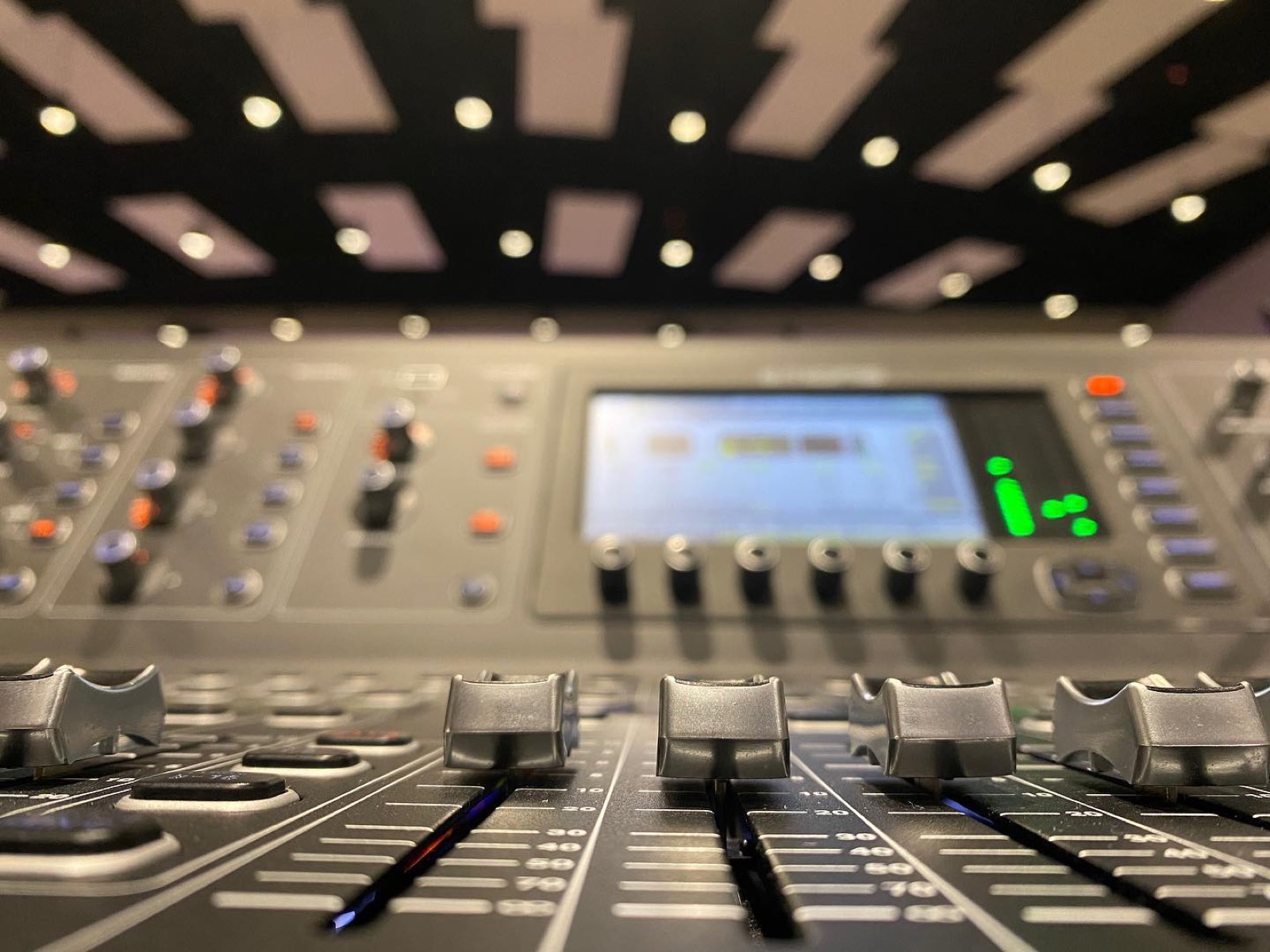
If one trained person mixes every week, you can spec leaner. If a rotation of volunteers runs your booth, it's worth investing in a console with recallable scenes and a layout your team can actually learn. That decision affects both the price and every Sunday after.
4. Wireless microphones
Wireless costs scale with channel count, and cheap wireless is the most common source of Sunday-morning dropouts. Spectrum matters too: the FCC's reallocation of the 600 MHz band forced many churches to replace older wireless systems, so verify anything you're reusing is still legal to operate.
5. Labor, tuning, and training
Design, installation, system tuning, and volunteer training typically add meaningfully to the equipment cost, and they're the part that makes the equipment worth owning. A system that's installed but never tuned to the room, or tuned but never taught to your team, doesn't deliver what you paid for.
Where churches overspend
- Buying gear before design. A donated or impulse-bought console that doesn't fit the room's needs is the most common sunk cost we encounter.
- Chasing brand names. The premium tier of a famous brand is not automatically the right tool for a 200-seat sanctuary.
- Over-speccing the wrong link. A $30,000 speaker rig fed by failing wireless mics still sounds like failing wireless mics.
Where churches underspend
- Tuning and commissioning. The cheapest way to make a good system sound bad is to skip the final tuning.
- Training. Volunteers who understand the system protect the investment; see our volunteer training playbook.
- Cabling and infrastructure. Clean, labeled, properly run cable is invisible when it's right and expensive to fix when it's wrong.
How to budget when the number feels big
Ask your integrator for a phased plan. A good phase one fixes the things that hurt worship today, most often speakers and coverage. Later phases add the console, wireless, and monitoring upgrades on a schedule your budget can absorb. We build proposals this way for the churches we serve, and it's why a leader at one of our client churches told us we "help us with budgets" in his words, not ours.
If you're weighing video upgrades in the same budget cycle, read our comparison of LED walls vs. projectors for churches before you allocate anything, because the answer changes the electrical and rigging scope too. And if you're not sure whether you need a new system at all, start with the seven signs it's time to upgrade.
Frequently asked questions
Can we reuse our existing speakers or console?
Often, yes. We start every design by evaluating what you already own. Speakers in good condition can sometimes be repositioned and retuned instead of replaced, which is money back in your budget.
How long does installation take?
Small system swaps can be done in days. Full sanctuary installations typically run one to several weeks on site, plus design and equipment lead time. We schedule around your services, so you never miss a Sunday.
Should we buy the equipment ourselves to save money?
Usually not. Integrator pricing is often comparable once support is included, and design, placement, and tuning, not the boxes, are what make a room sound right.
Do you help with budgets?
Yes. Tell us your range honestly and we'll tell you honestly what it can and can't do. No commitment, no pressure.